USA Embroidery Design Review for Craft Fairs
First Impressions of USA Embroidery
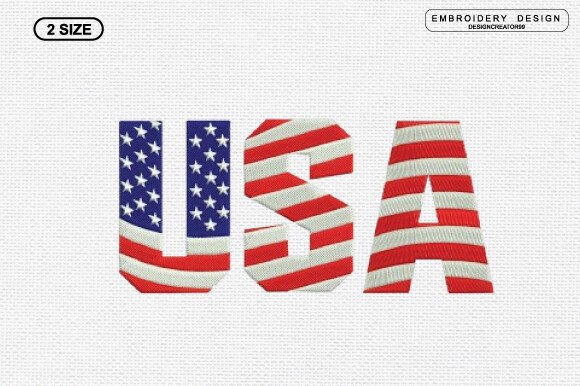
As an experienced embroidery designer, the first thing that stands out about USA Embroidery is its bold yet versatile aesthetic. It feels modern with a touch of rustic charm, making it suitable for a wide range of craft fair products. The design carries a sense of pride and patriotism without being overly flashy, which makes it appealing to a broad audience.
The title itself, USA Embroidery, hints at a strong visual identity. This design can be described as elegant yet approachable, perfect for items like tote bags, aprons, and even framed artwork. Its clean lines and well-balanced composition suggest that it will look good on both dark and light fabrics, adding value to any handmade product.
Performance on Various Craft Fair Products
USA Embroidery performs exceptionally well across multiple product types. On tote bags, it adds a subtle yet meaningful statement, drawing attention without overwhelming the design. When applied to aprons, it becomes a functional and decorative element, enhancing the overall appeal of the item.
For tea towel embroidery, the design's clarity and detail shine through, especially when paired with high-quality thread colors. Embroidered patches featuring USA Embroidery are ideal for caps or jackets, offering a wearable piece of art that customers can easily identify and appreciate.
On pillow covers and market bags, the design maintains its visual impact, making it a great choice for small shop products and Etsy listings. The versatility of this machine embroidery design ensures that it can be adapted to different sizes and formats, giving sellers flexibility in their product offerings.
Practical Selling and Production Points
One of the key selling points of USA Embroidery is how easy it is to understand at a glance. Customers can quickly recognize the design, which is essential for attracting attention at a craft fair booth. Whether used as a small accent or a large focal design, the embroidery file adapts well to various applications.
When it comes to online listings, the design photographs beautifully, especially when using a printable mockup to showcase the finished product. This makes it easier for Etsy sellers and other digital sellers to present their items in an attractive way.
For batch production, the design feels repeatable, which is crucial for creating a consistent look across multiple items. However, careful attention should be paid to stitch density and fabric texture to ensure that the final product maintains its quality and appearance.
Careful-Use Notes for Embroidery Designers
While USA Embroidery is highly versatile, there are a few considerations to keep in mind. Dense stitch areas may require additional stabilizer to prevent puckering, especially on textured towels or thick fabrics. Tiny details and small lettering might not translate well at smaller sizes, so testing the design on scrap fabric is essential before full-scale production.
For curved surfaces such as caps, the design may need slight adjustments to maintain its shape and clarity. Dark fabric users should check thread contrast to ensure the design remains visible and vibrant. Always review spacing and confirm hoop size to avoid distortion during the embroidery process.
Visual Appeal and Booth Display Strength
The USA Embroidery design significantly enhances the visual appeal of any product it's applied to. It adds a layer of sophistication and personalization that can elevate the perceived value of handmade items. For a weekend craft fair booth, this design helps create a cohesive and professional display that draws customer attention.
Whether displayed as part of a collection of handmade gifts or as standalone craft fair products, USA Embroidery contributes to a strong brand presence. It supports brand consistency and reinforces the quality of the finished product, making it more likely to engage buyers and encourage purchases.
Embroidery Designer Tips for Success
To ensure success with USA Embroidery, always test the design on scrap fabric before committing to a full run. Check thread colors against your fabric choices to ensure a good match. Review spacing and confirm hoop size to avoid issues during the embroidery process.
Inspect stitch density and use the right stabilizer to maintain fabric integrity, especially on textured materials. Create at least one real mockup to see how the design looks in person. Compare fabric colors to ensure the digital embroidery file translates well to the final product.
Finally, before selling any finished products, confirm commercial licensing terms to avoid any legal issues. This ensures that your small shop product is both legally sound and visually appealing to potential buyers.